
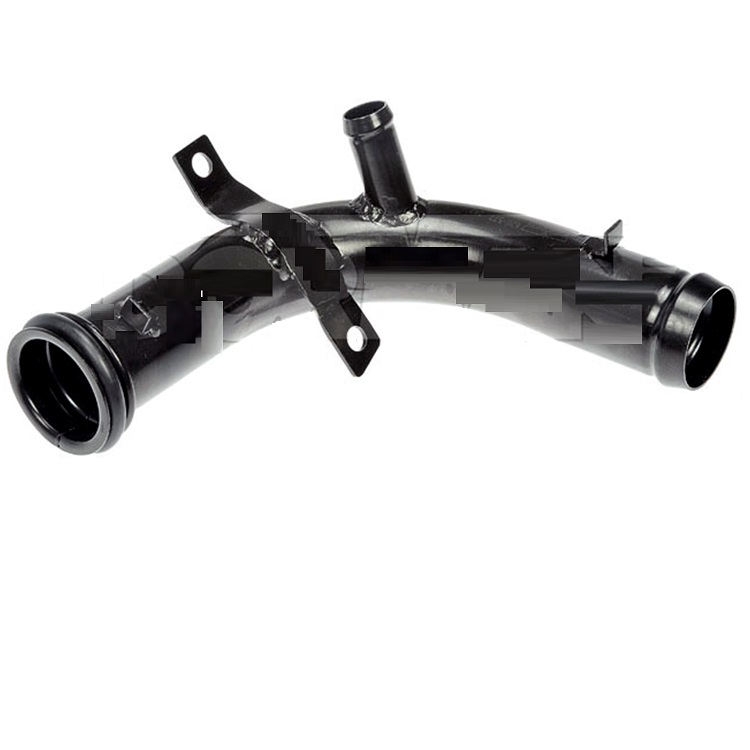
In the rapidly evolving automotive sector, the demand for high-quality, durable components continues to rise as manufacturers strive to enhance vehicle performance and reliability. Among these critical components, mild steel elbows play an indispensable role in numerous automotive systems, particularly in exhaust and fluid transportation pathways. Recent developments in mild steel elbow manufacturing have garnered significant attention, underscoring advancements that promise to improve both production efficiency and end-product quality.
### Pioneering Manufacturing Techniques in Mild Steel Elbow Production
The mild steel elbow is a fundamental pipe fitting used to change the direction of flow in piping systems. Traditionally, the manufacturing of these components has faced challenges relating to precision, durability, and corrosion resistance, all of which are crucial for automotive applications where components must withstand harsh conditions.
In response to these challenges, manufacturers have adopted innovative production methodologies that optimize the forming processes and material treatment. These techniques ensure that the elbows exhibit enhanced structural integrity and longer service life, thereby supporting the automotive industry’s goals of sustainability and reduced maintenance costs.
### The Role of Advanced Material Engineering
Material engineering has been central to the improvements seen in the mild steel elbows. By integrating advanced alloy compositions and surface treatments, manufacturers have successfully increased corrosion resistance and fatigue strength. This is particularly vital for components exposed to fluctuating temperatures and corrosive exhaust gases.
Moreover, stringent quality control during the fabrication process ensures the fittings meet exacting standards. This precision manufacturing reduces variability and enhances the compatibility of the elbows with other critical automotive parts, promoting system reliability and performance.
### Company’s Strategic Focus: Driving Innovation in Automotive Stainless Steel Bellows and Pipe Fittings
Complementing this progress in mild steel elbow manufacturing is the strategic approach of a leading enterprise dedicated to advancing automotive stainless steel bellows assemblies and metal pipe fittings. The company’s primary focus lies in the manufacturing and development of these components, with the aim of becoming the foremost manufacturer and system service solution provider within the automotive sector.
The specialization in stainless steel bellows assemblies aligns perfectly with industry demands, as these components offer flexibility and durability essential for absorbing vibrations and thermal expansions in exhaust and fluid systems. By offering comprehensive system solutions, the company supports automotive manufacturers in optimizing their vehicle designs for enhanced durability and operational efficiency.
### Commitment to Quality and Innovation
The company achieves its leadership ambitions by investing heavily in research and development. This commitment has resulted in proprietary techniques that elevate the performance of stainless steel bellows and metal pipe fittings, ensuring they meet diverse automotive requirements.
Integration of advanced manufacturing tools and rigorous testing protocols allows the company to maintain strict quality standards. These practices ensure that every product not only complies with but often exceeds industry benchmarks for strength, flexibility, and corrosion resistance.
### Driving the Future of Automotive Component Manufacturing
The synergy between improved mild steel elbow manufacturing techniques and the company’s expertise in stainless steel bellows and pipe fittings represents a significant stride forward in automotive component production. As vehicles become more sophisticated and regulatory pressures for environmental compliance intensify, such high-quality components are vital in meeting these new challenges.
Moreover, by focusing on comprehensive system service solutions, the company plays a pivotal role in assisting automakers to reduce assembly complexity and enhance overall system performance. This holistic approach to manufacturing and service provision is indicative of a broader trend within the industry that emphasizes innovation, sustainability, and customer-centric solutions.
### Conclusion
Advances in mild steel elbow production, combined with strategic developments in stainless steel bellows and metal pipe fittings, are setting new standards in the automotive industry. With manufacturers adopting cutting-edge technologies and companies committed to excellence in design and customer service, the future of automotive component manufacturing looks robust and promising.
This progression not only contributes to better-performing and longer-lasting vehicles but also supports the industry’s broader objectives of reducing environmental impact and improving cost efficiency. As these trends continue to evolve, the ongoing collaboration between material science innovations and specialized manufacturing expertise will remain crucial in driving the automotive sector forward.